

Ergo Loupes Explained: The Future of Comfort and Precision in Dentistry
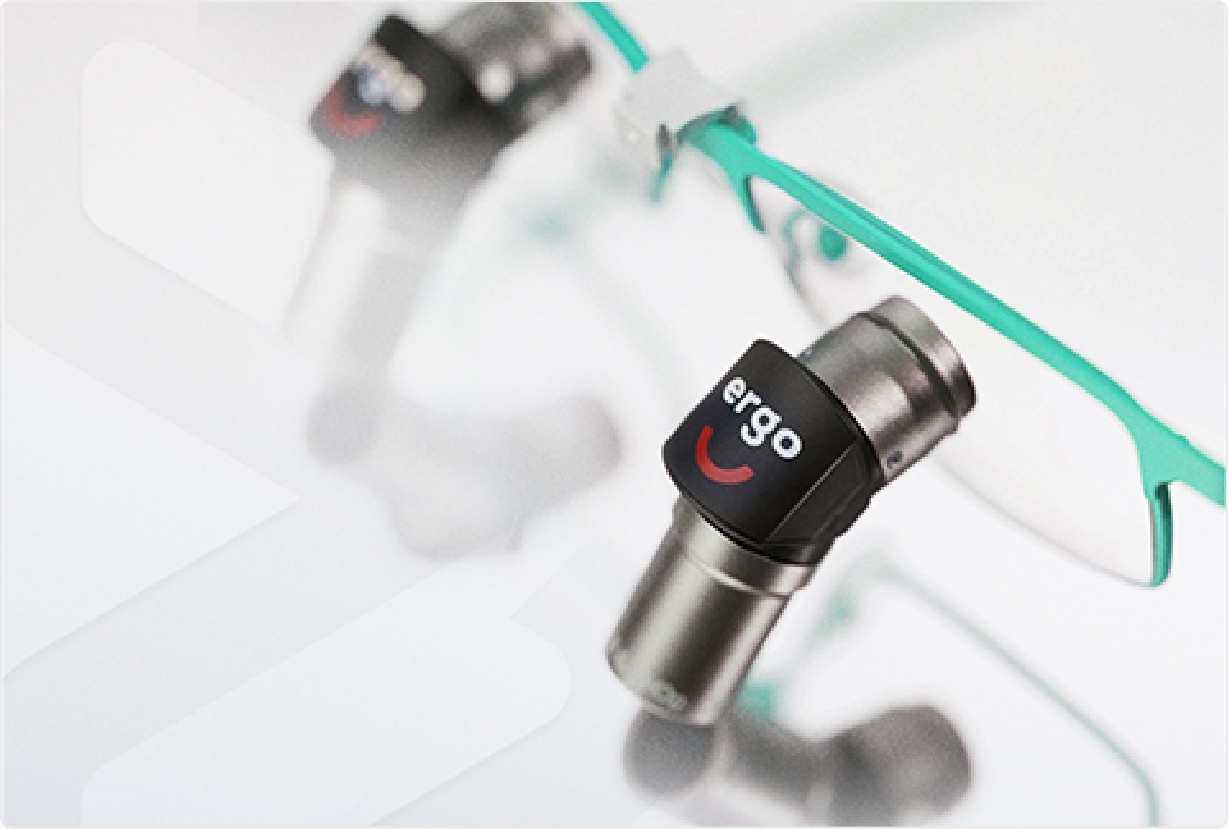
Ergo loupes belong to a relatively new category of magnification tools known as ergonomic loupes — sometimes referred to as refractive or deflection loupes due to the specialized optics used in their ocular design.
Unlike conventional loupes that require practitioners to bend and strain to see inside the patient’s mouth, Ergo loupes shift the optics to do the work instead. This allows clinicians to maintain a natural upright posture — the true definition of an ergonomic tool.
While awareness of ergonomic loupes is rapidly growing among dentists, hygienists, and students, many still have questions before adopting this innovative technology. Below are the six most common questions answered.
1. Are Ergo loupes really better for my posture?
Yes. While the human body can bend and twist, it is not designed to remain in static, contorted positions for long periods. Prolonged strain causes micro-traumas in joints and ligaments, which accumulate into chronic occupational pain over time.
Ergo loupes encourage alignment with the body’s natural biomechanics, reducing long-term injury risk. For those already experiencing pain, improved posture can help address the root cause. For others, it acts as preventative care — much like maintaining oral hygiene prevents future dental problems.
2. Who shouldn’t be using Ergo loupes?
In general, most practitioners can benefit from Ergo loupes. However, they require the use of a mirror for visualization. Some dental specialties require both hands for tools, making mirror use impractical. In these cases, prismatic loupes may be a better option.
Additionally, practitioners unwilling to learn mirror-based visualization may struggle with Ergo loupes. For those unable to use them, ergonomic workspaces, stretching, and rest remain essential for long-term health.
3. Will I have trouble getting used to Ergo loupes?
Most users report adjustment periods ranging from one day to four weeks. Like learning to drive or using multifocal glasses, the brain must adapt to a new visual system and depth perception.
Gradual use is recommended — start with a few patients per day and increase over time. Practicing at home with simple activities can also accelerate adaptation without clinical pressure.
4. Can extractions be performed with Ergo loupes?
Many dentists initially perform extractions without loupes. However, practitioners who become comfortable with Ergo loupes often begin using them for all procedures, including extractions — typically within four to six months of adoption.
5. Should beginners start with conventional loupes or Ergo?
Beginners are often advised to start with conventional Galilean loupes due to their wide field of view and easier adaptation. However, while Galilean loupes are effective, they do not support ergonomic posture.
Ergo loupes naturally guide users toward healthy working positions and long-term physical wellbeing. Starting with Ergo loupes builds better habits early and supports career longevity.
6. Do I need to use a light with Ergo loupes?
Yes — due to the additional optical elements within Ergo loupes, some light intensity is naturally reduced before reaching the eyes. Using a headlight ensures consistent brightness and visual clarity.
Different magnifications require different lighting strengths. High-quality headlights are designed specifically to match each magnification level, ensuring optimal visibility for precision work.