
How to Choose the Perfect Dental Loupes for Comfort, Precision, and Performance

Loupes have become standard equipment in almost every dental clinic and are widely used by dental surgeons, hygienists, and oral health therapists. Their importance lies not only in enhanced visibility for better clinical outcomes, but also in improving posture and overall working comfort.
With increasing demand, many new products have entered the market, making it difficult to choose the right loupes. Haitech Medical, drawing on more than 15 years of experience customizing surgical loupes for thousands of professionals, has compiled the following expert recommendations.
Magnification
Choosing the correct magnification depends on the type of work you perform and your previous experience with loupes.
Procedures requiring extreme detail — such as aesthetic dentistry and root canal treatments — benefit from higher magnification (6.0X–10X in ergonomic loupes or 4.8X and above in conventional TTL). For general dentistry requiring a wider field of view, medium magnification works best (4.0X–5.0X in ergonomic loupes and 2.5X–4.0X in TTL).
While hygienists traditionally preferred lower magnification, recent trends show a shift toward higher magnification for improved clinical precision. Social media exposure to high-detail procedures has also influenced this transition.
Posture and Comfort
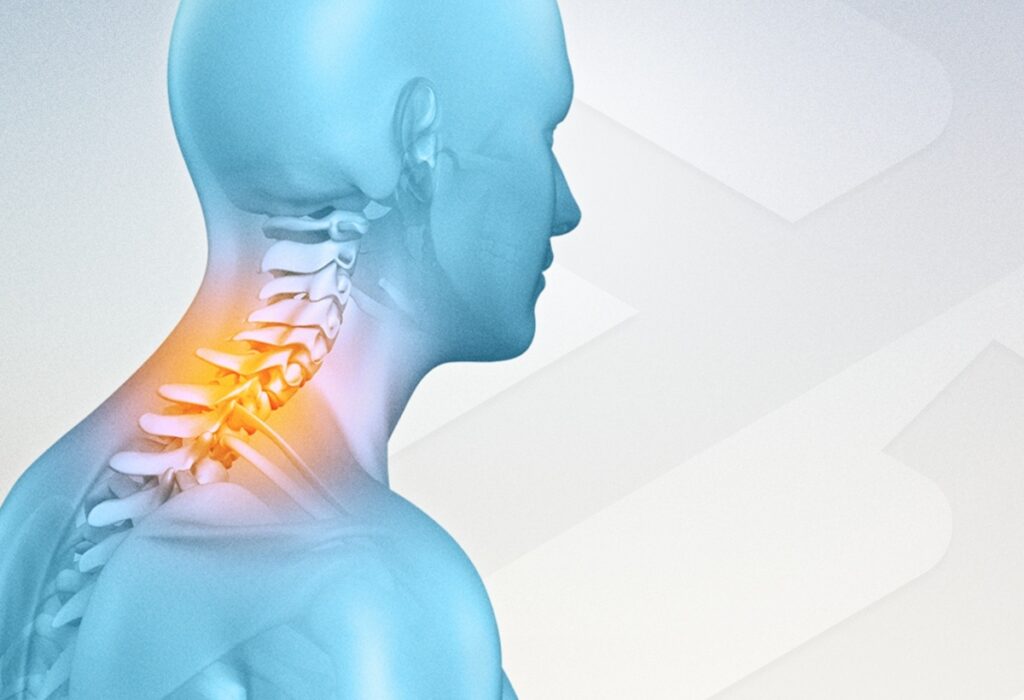
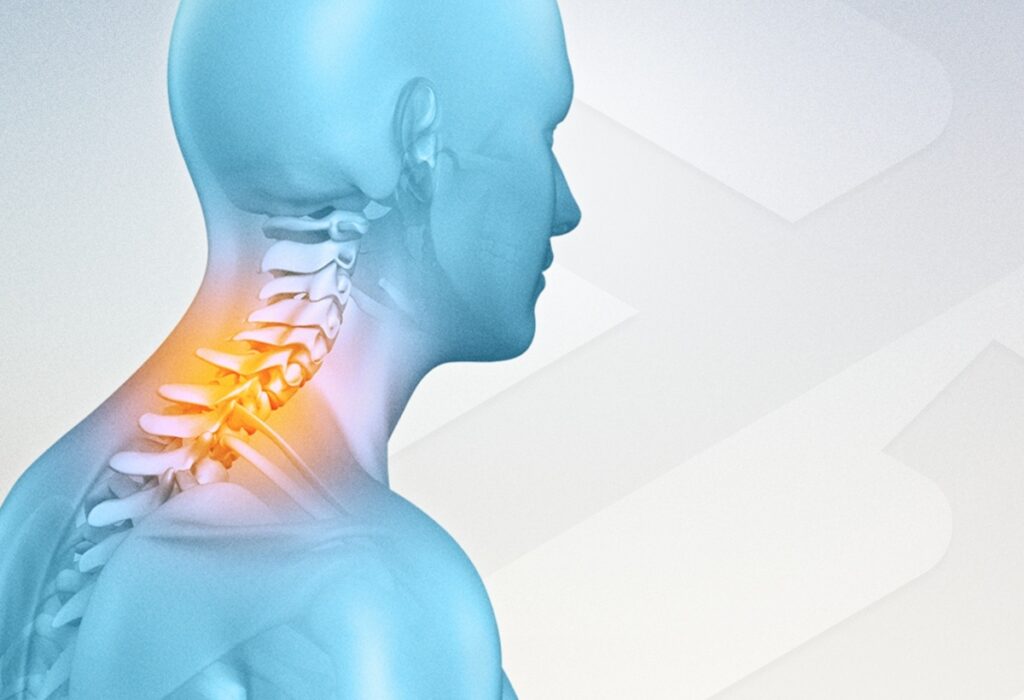
Maintaining healthy posture is essential for long-term career sustainability in dentistry. As early innovators in ergonomic loupe design, Haitech Medical has witnessed dramatic improvements in practitioner comfort and reduced musculoskeletal strain.
Most users adapt to improved posture within weeks to months, experiencing reduced fatigue and better overall wellbeing. The adjustment period is well worth the long-term benefits.
Weight and Fit
Loupes are worn for 6–8 hours daily, making comfort critical. Even small differences in weight can significantly affect fatigue levels by the end of the day.
Higher magnification typically means heavier lenses. Wireless lighting systems add additional weight but offer greater convenience. Proper frame fit is essential — temple tips should rest comfortably on the ears, and nose pads should distribute pressure evenly.
Quality manufacturers will assist with post-purchase adjustments to ensure long-term comfort and satisfaction.
1. Abasseri T, Ha W. Value of including loupes in prosthodontic and endodontic components of dental degrees: a systematic review. Br Dent J (2023).
2. Wajngarten D, Botta AC, Garcia PPNS. Magnification loupes in dentistry: A qualitative study of dental students’ perspectives. Eur J Dent Educ. 2021 May;25(2):305–309. PMID: 32976674.